Commercial Asphalt Paving in Kansas City — New Parking Lot Installation
One asphalt paving company for your complete project — from subgrade to striping, one contractor handles everything.
Get your free New Asphalt Paving estimate
Tell us about your property and we'll take a look — you'll hear back within 24 hours, or call (913) 701-6044 now.
- Free estimate, no obligation
- Response within 24 hours
- 1-year warranty on all work
- Owner-led — no subcontractors
What Makes Commercial Asphalt Different from Residential Paving
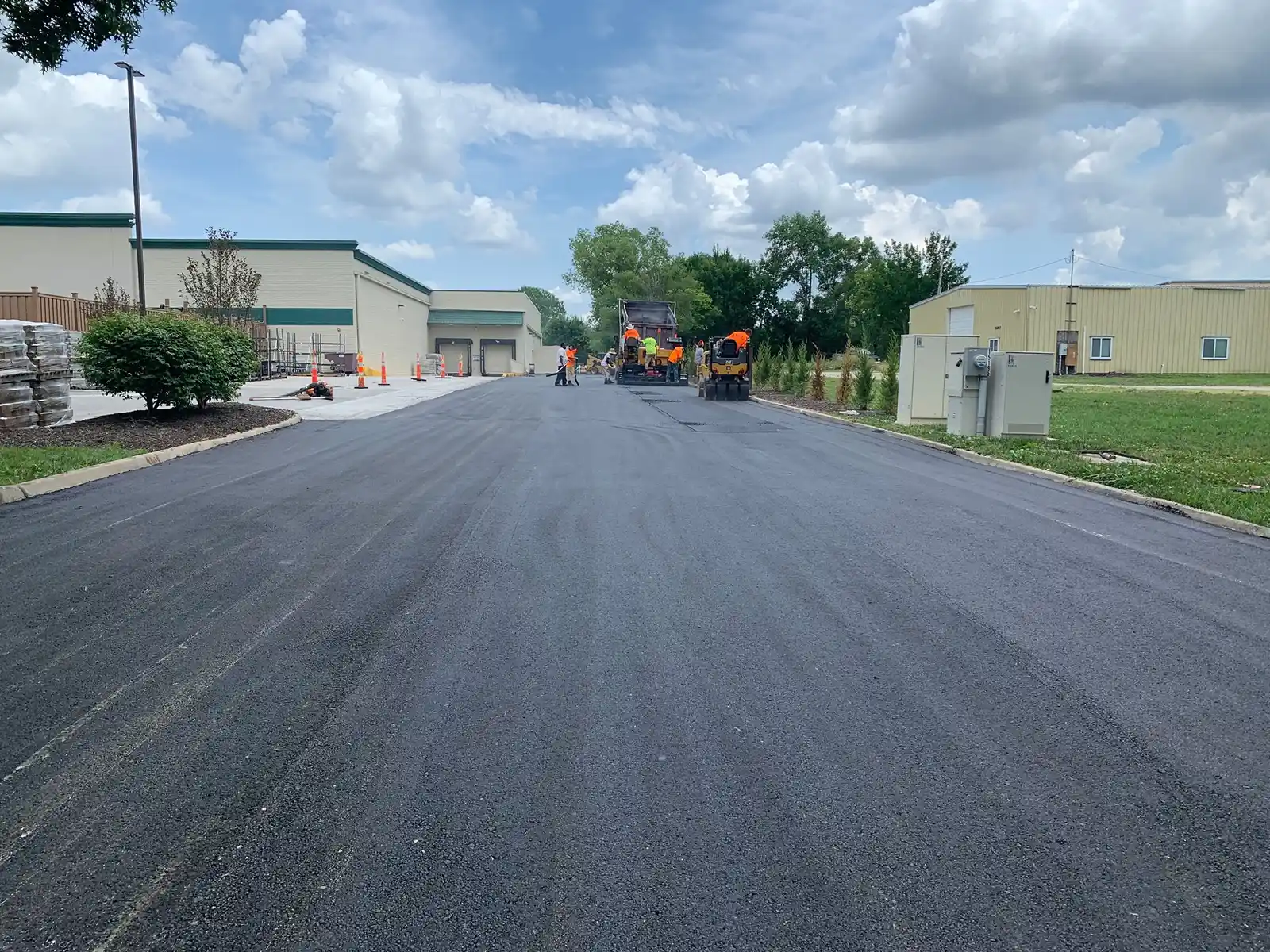
Commercial asphalt requires heavier-duty specifications to handle constant truck traffic and delivery vehicles. We install a minimum 3-inch hot-mix asphalt layer over 6 inches of aggregate base course for standard parking lots. Heavy truck lanes get 4-5 inches of HMA with modified Superpave mix design. The nuclear density gauge confirms 93% compaction rate across the entire mat. Commercial projects also demand precise cross-slope engineering—typically 2% grade for proper drainage into catch basins. With Kansas City's 39-42 inches of annual rainfall, standing water destroys asphalt fast. Every longitudinal joint gets sealed, and we maintain mat temperature above 275°F during installation. Our paver screed operators hold the tolerance within 1/8 inch across 12-foot pulls. Commercial properties need pavement built to last 20+ years, not the 10-15 typical of residential driveways.
New Parking Lot Installation Timeline — From Excavation to Striping
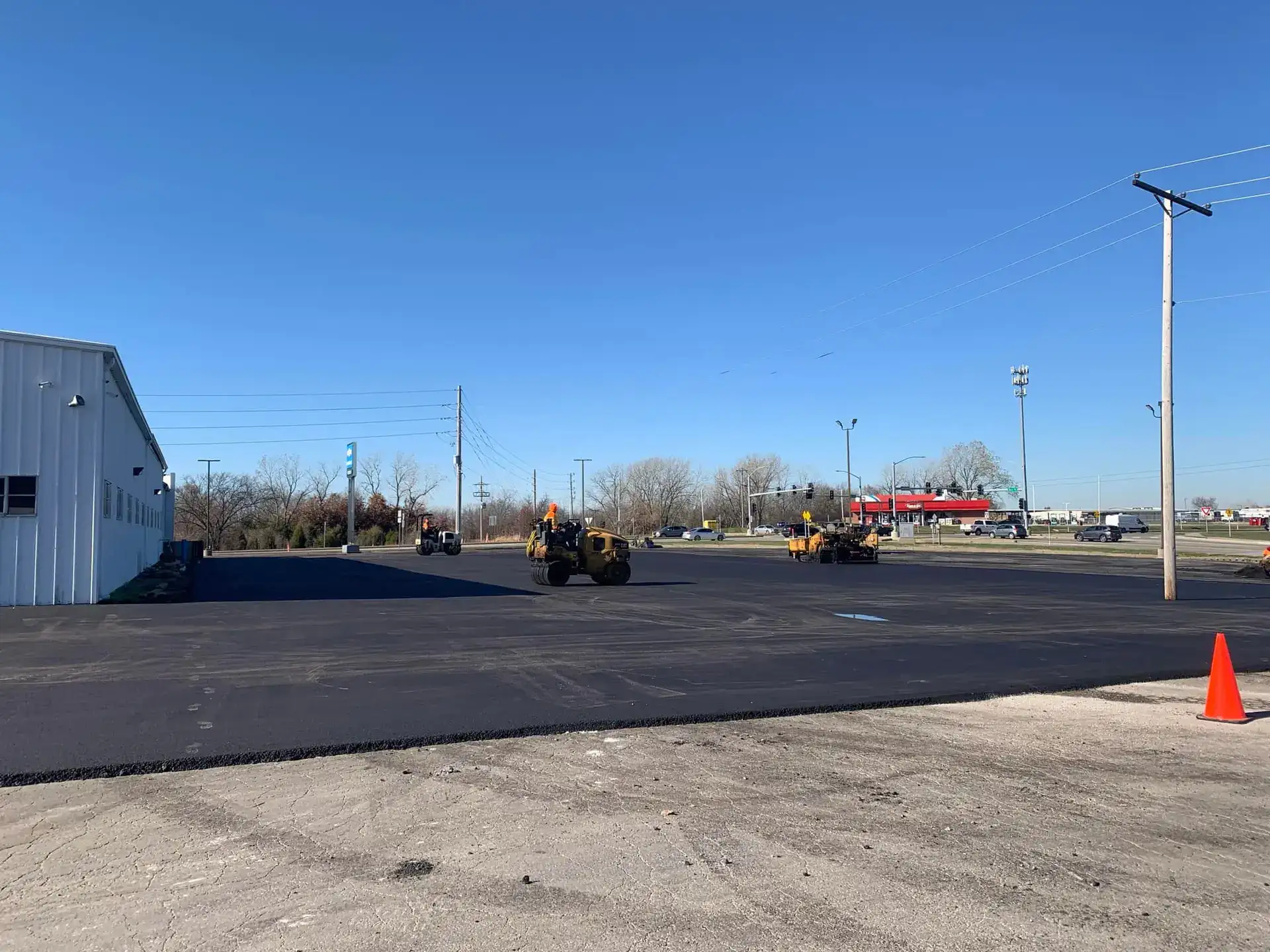
Most 50,000 square foot parking lots take 5-7 working days from excavation to final striping. Day one involves removing existing pavement and excavating down 12-14 inches—deeper in Jackson County's heavy clay soils. Days two and three focus on subgrade stabilization and installing aggregate base course in 4-inch lifts. The tack coat goes down day four morning, followed by hot-mix asphalt installation that afternoon. We coordinate with local plants like Hunt Midwest or Ideker for continuous material delivery. Temperature matters—mat temperature drops below 250°F and compaction suffers. Day five handles final grading, compaction testing, and preparing for striping. Weather delays happen, especially during Kansas City's freeze-thaw cycles between November and March. Summer heat above 95°F actually helps—asphalt stays workable longer. Every transverse joint gets attention before moving forward. Joe Brogoto personally inspects pavement density readings before approving the next phase.
The Best Time of Year to Pave in Kansas City
April through October provides ideal paving conditions in the Kansas City metro. Asphalt plants typically open mid-March when overnight temperatures stay above 40°F consistently. Peak season runs May through September when mat temperature holds better during installation. Morning paving works best in July and August heat—starting at 6 AM keeps crews productive before afternoon temperatures exceed 95°F. Spring offers stable weather but watch for rain delays. Kansas City averages 5 inches of precipitation in May alone. Fall paving in October races against dropping temperatures. Once overnight lows hit 35°F, achieving proper compaction becomes difficult. Winter paving between December and February isn't recommended—our 100+ annual freeze-thaw cycles cause immediate damage to new asphalt. The aggregate base course needs time to settle before HMA installation. Work with an experienced asphalt contractor to schedule your project for late April through early June for fastest completion. September and early October offer another good window before cold weather arrives.
Commercial Properties That Benefit from Complete Parking Lot Replacement
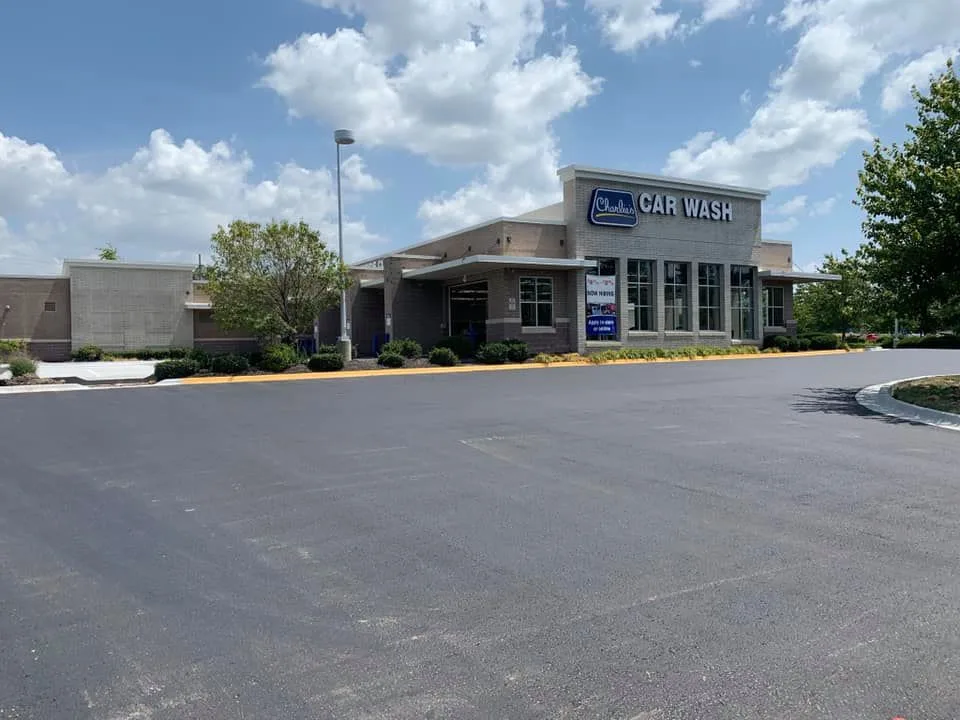
Retail centers with heavy daily traffic see the biggest improvement from new asphalt installation. Grocery stores, where delivery trucks create concentrated wear patterns, need reinforced loading zones with 5-inch HMA depth. Medical office buildings require smooth surfaces for wheelchair accessibility—our paver screed maintains ADA-compliant slopes throughout. Industrial facilities benefit from full-depth reconstruction when forklift traffic has created severe rutting. Distribution centers need extra-thick pavement in dock areas where trailers park overnight. Multi-tenant office parks gain immediate curb appeal and eliminate liability concerns from deteriorated surfaces. Churches and schools take advantage of summer breaks for complete parking lot replacement. Hotels near KCI Airport upgrade their lots to match brand standards and first impressions. Every commercial scenario demands different specifications, from standard-duty retail to heavy-duty industrial designs.
Need New Asphalt Paving for Your Property?
Get a free estimate from the crew that has completed 4,000+ projects across the KC metro. No pressure, no obligation.
From Proof-Roll to Final Stripe: How a Commercial Paving Job Runs
What happens after you call your Kansas City paving contractor — from first inspection to final walkthrough.
We inspect your lot, identify every issue, and provide a detailed estimate — no cost, no pressure.
We design the scope of work around your business hours so your operations aren't disrupted.
Old asphalt is milled down, debris cleared, and the base is prepared for a clean bond.
Fresh hot-mix asphalt is laid to spec and rolled to precise compaction with commercial-grade equipment.
Parking spaces, fire lanes, ADA markings, and signage — your lot is fully compliant and looks brand new.
We walk the finished project with you. If anything isn't right, we make it right before we leave.
Signs Your Property Needs New Asphalt Paving
Alligator Cracking Networks
Interconnected cracks resembling alligator skin indicate complete structural failure requiring full-depth replacement.
Standing Water Puddles
Water pooling 24 hours after rain means failed drainage and compromised pavement structure.
Extensive Pothole Formation
Multiple potholes appearing faster than maintenance can address signals end-of-life pavement conditions.
Base Failure Evidence
Soft spots, severe rutting, or pavement pumping during truck traffic shows subgrade has failed.
What Determines Commercial Paving Project Costs
Square footage drives the base calculation, but thickness requirements vary by intended use. Standard parking stalls need 3-inch HMA, while drive lanes require 4 inches minimum. Existing pavement removal and disposal adds significant expense—especially if old asphalt contains coal tar sealers requiring special handling. Subgrade conditions in Kansas City's clay soils often necessitate additional excavation and aggregate base course. Drainage improvements like new catch basins or trench drains increase project scope. The Superpave mix design selected affects material costs—polymer-modified mixes for high-traffic areas cost more than standard mixes. Distance from asphalt plants impacts delivery charges. Projects under 10,000 square feet face minimum load charges. Accessibility challenges like working around operating businesses require night or weekend work at premium rates. Site preparation complexity, from utility adjustments to extensive grading needs, influences final pricing more than simple square footage calculations.
Get a Free Estimate — (913) 701-6044Recent New Asphalt Paving Projects
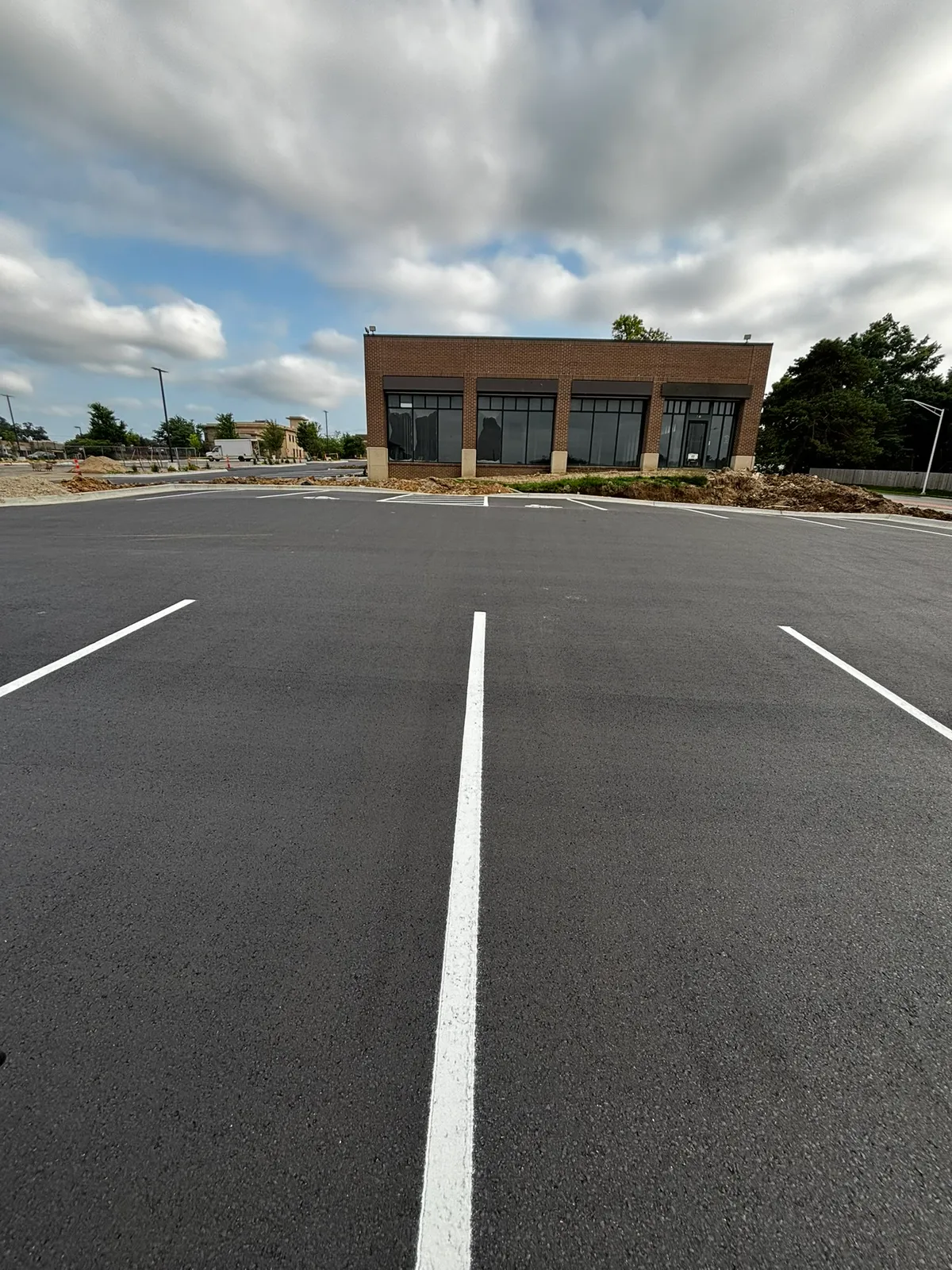
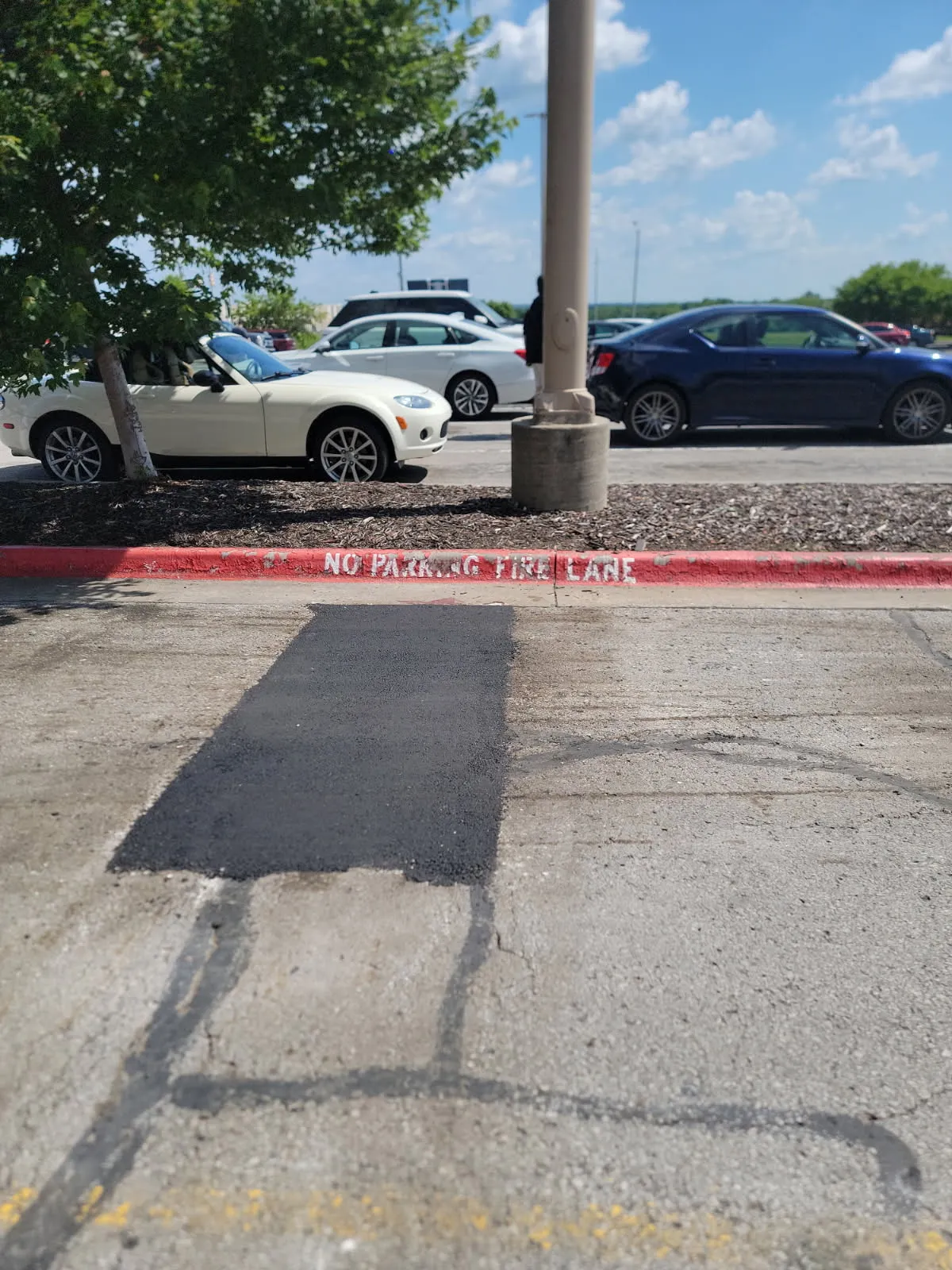
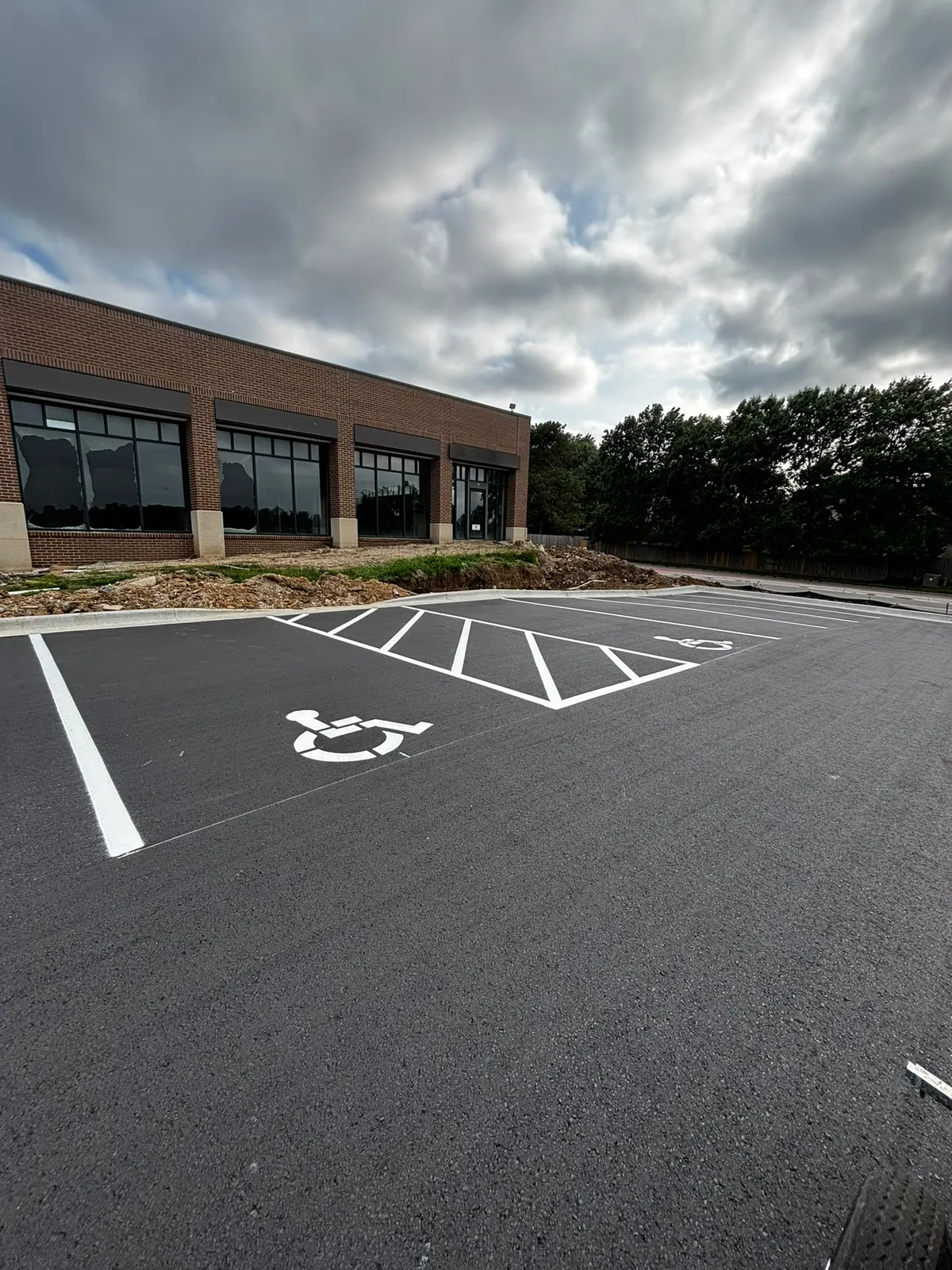
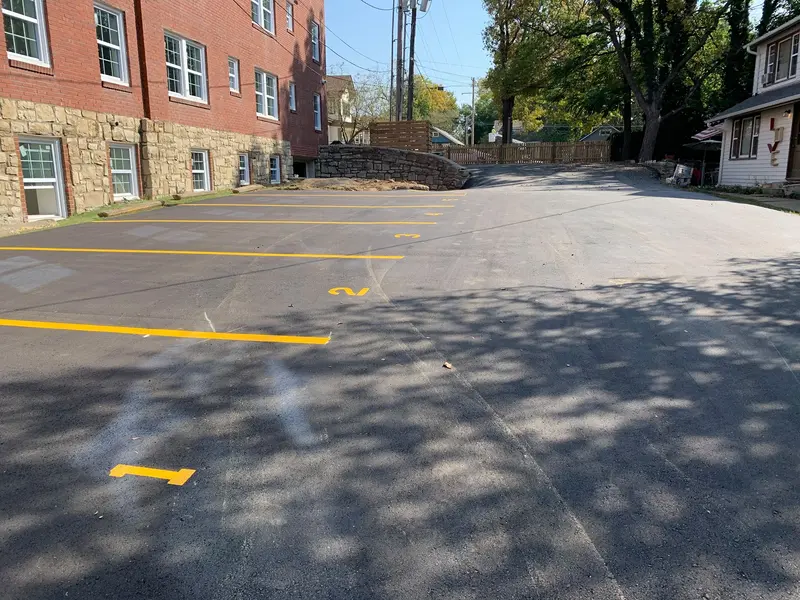
New Asphalt Paving — Frequently Asked Questions
How thick should asphalt be for a commercial parking lot?
Standard commercial parking lots require 3 inches of hot-mix asphalt over 6 inches of compacted aggregate base course. Heavy truck areas need 4-5 inches of HMA with specialized Superpave mix design for durability. Loading docks and dumpster pads often get 6 inches to handle concentrated weight. The aggregate base course thickness depends on soil conditions—Kansas City's clay soils typically need 8-10 inches for proper support. Each layer gets compacted to 95% density using vibratory rollers. Nuclear density gauge testing confirms compaction rates meet specifications before proceeding. These thicknesses assume proper drainage and no unusual loading conditions.
Can you pave over existing asphalt instead of removing it?
Overlaying existing asphalt works only when the base remains structurally sound. We core sample the existing pavement to check thickness and base condition first. If testing reveals solid aggregate base course with minimal cracking, a 2-inch overlay after milling might work. However, most 20+ year old commercial lots in Kansas City show base failure from freeze-thaw cycles. Paving over failed base just transfers cracks through the new surface within 12-18 months. Alligator cracking, rutting, or pumping indicate complete removal is necessary. The cost difference between overlay and full replacement often justifies doing it right. Overlays also raise pavement elevation, potentially causing drainage issues and ADA compliance problems at sidewalks and entrances.
What's involved in preparing the site before paving?
Site preparation starts with saw-cutting and removing existing pavement down to native soil. In Jackson County's clay soils, we often excavate 14-16 inches deep to accommodate proper base installation. Subgrade gets proof-rolled to identify soft spots requiring undercutting. Any underground utilities need marking and protection. We establish final grades using laser-guided equipment to ensure 1-2% cross-slope for drainage. The aggregate base course goes down in maximum 4-inch lifts, with each lift compacted to 95% density. Fabric separation layers might be necessary in extremely poor soils. Storm sewer connections, catch basin adjustments, and concrete collar pours happen before base installation. Edge restraints along concrete walks prevent future pavement migration. Every preparation step affects long-term pavement performance.
How soon can we stripe and use the new parking lot?
Fresh asphalt needs 24-48 hours before striping application, depending on thickness and weather conditions. The surface temperature must drop below 100°F for paint adhesion. In Kansas City's summer heat, this might take two full days. Thermoplastic striping requires surface temperature between 50-80°F for proper bonding. We recommend keeping traffic off completely for 72 hours to prevent power steering marks and premature wear. Light vehicle traffic can resume after striping dries—usually 30 minutes for waterborne paint. Heavy trucks should wait 5-7 days for full curing. Hot weather accelerates curing, while cool fall temperatures slow the process. Premature loading causes permanent deformation in fresh asphalt. The nuclear density gauge confirms when compaction has stabilized enough for normal use.
What warranty comes with new commercial asphalt installation?
Platinum Paving provides a 1-year workmanship warranty on all new asphalt installations. This covers defects in materials and installation, including premature cracking, improper drainage, or compaction failures. The warranty excludes damage from overweight vehicles exceeding design specifications, snow plow damage, or chemical spills. Regular maintenance like sealcoating and crack sealing helps protect your investment beyond the warranty period. We document pavement density readings and mix design tickets for every project. If warranty issues arise, Joe Brogoto personally inspects the concern and authorizes repairs. Most pavement failures happen in the first winter due to freeze-thaw cycles—our installation methods specifically address Kansas City's climate challenges. Proper base preparation and achieving 93% mat density prevents most warranty claims.
Trusted Across the KC Metro
Ready to move forward?
One crew installs it, maintains it, and keeps it compliant — no subcontractors. Call (913) 701-6044 or send the form.
KC Metro Cities Where We Provide New Asphalt Paving
New Asphalt Paving — One Call Handles It
One call handles it all — from the first estimate to the final walkthrough. Platinum Paving has completed 4,000+ projects across the KC metro. Every job comes with our 1-year warranty.