Crack Sealing for Kansas City Parking Lots and Commercial Properties
Protect your asphalt paving investment with professional hot-pour crack sealant before water damage costs thousands.
Get your free Crack Sealing estimate
Tell us about your property and we'll take a look — you'll hear back within 24 hours, or call (913) 701-6044 now.
- Free estimate, no obligation
- Response within 24 hours
- 1-year warranty on all work
- Owner-led — no subcontractors
Why Crack Sealing Matters for Kansas City Parking Lots
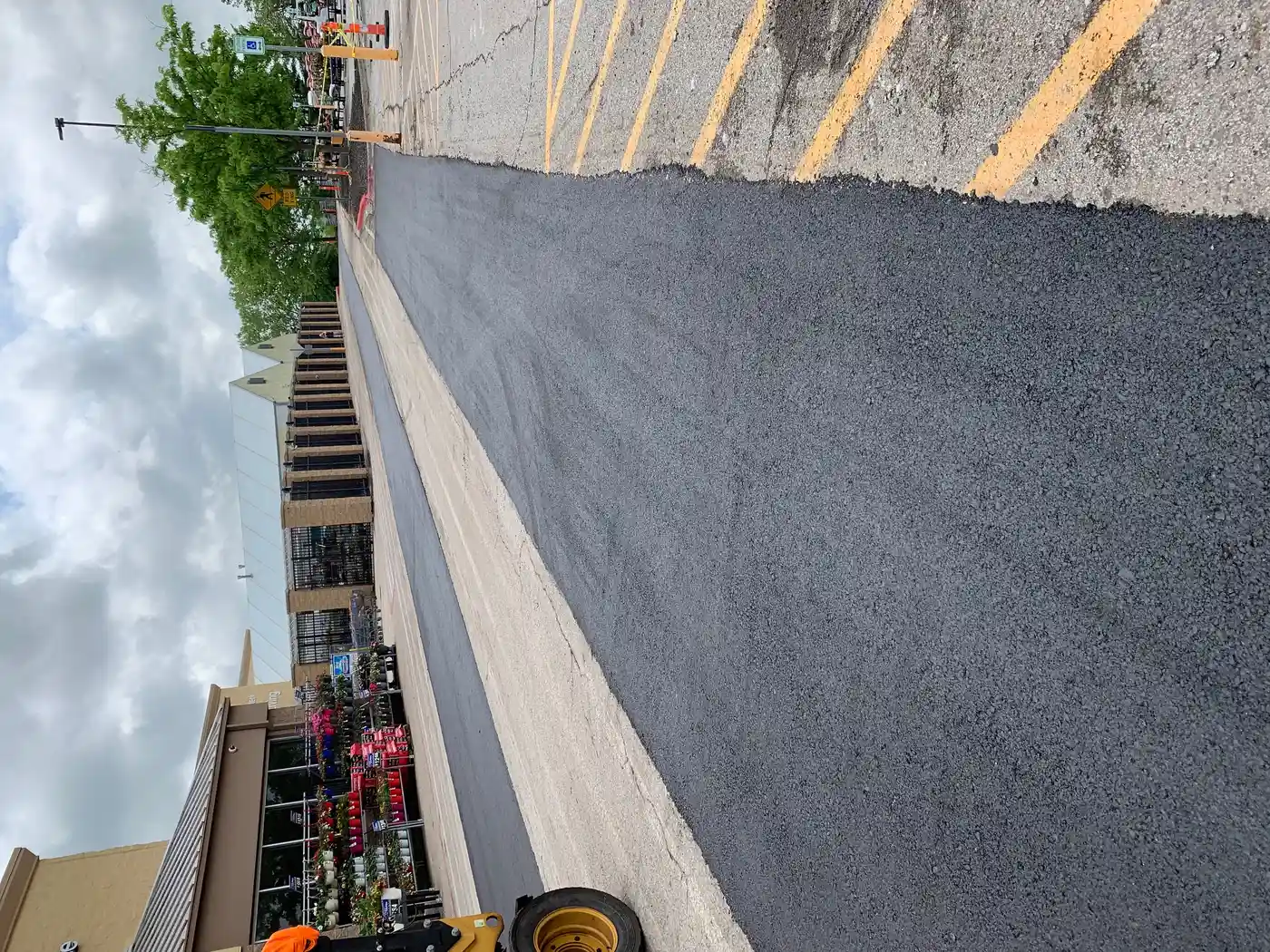
Crack sealing prevents water infiltration that destroys asphalt from below. With Kansas City's 100+ freeze-thaw cycles each winter, water trapped in unsealed cracks expands and contracts, widening cracks into potholes. Our heavy clay soils compound the problem—when water reaches the subgrade through cracks, clay expands and creates base failure. Professional crack sealing with hot-pour rubberized sealant creates a flexible waterproof barrier that moves with temperature changes. We use ASTM D6690 compliant materials heated to 380-410°F and applied with lance applicators for proper penetration. Routing and sealing creates a 40-mil thick reservoir that lasts 3-5 years versus band-aid seal methods that fail within months. Every crack sealed today prevents a $500 pothole repair tomorrow.
Crack Filling vs Crack Sealing
Crack filling uses cold-applied materials pushed into cracks without preparation—a temporary blow-and-go fix. Crack sealing involves routing cracks to create a uniform reservoir, cleaning with compressed air, then applying hot-pour sealant for a long-term repair. Our crack router cuts a 3/4" wide by 3/4" deep channel following the crack path. This reservoir routing allows proper sealant thickness and adhesion to sidewalls. We apply sealant flush with pavement or use overband technique for high-movement cracks, creating a 3-4" wide band. Temperature matters—we only seal when pavement temperature exceeds 40°F and rising. Cold pavement causes poor adhesion and early failure. The difference shows in longevity: proper crack sealing lasts 3-5 years while basic filling fails within one season.
How Often Should Commercial Properties Seal Asphalt Cracks
Annual crack inspection with sealing every 2-3 years maintains optimal pavement protection. Pair this with commercial sealcoating every 3-5 years for a complete surface protection program. Kansas City's climate demands vigilance—summer temperatures above 95°F cause thermal expansion while winter lows create contraction stress. New cracks form constantly. Properties with heavy truck traffic need inspection twice yearly, especially loading docks and drive lanes. We track crack density per 100 square feet to determine timing. Under 100 linear feet per 1,000 square feet, spot sealing works. Above that threshold, full-lot sealing prevents accelerated deterioration. Spring (April-May) offers ideal conditions after winter damage assessment. Fall sealing (September-October) protects against winter moisture infiltration. Our 4,000+ completed projects show properties maintaining this schedule extend pavement life 7-10 years versus reactive-only maintenance.
Commercial Properties That Benefit from Crack Sealing
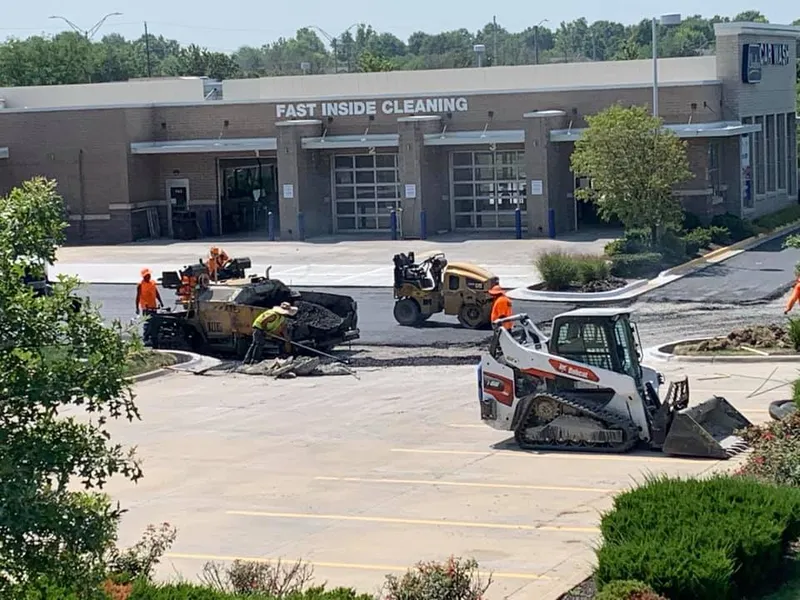
Distribution centers with constant semi traffic develop longitudinal cracks along wheel paths requiring annual attention. Retail centers need crack sealing to prevent trip hazards and maintain appearance—nothing drives customers away faster than a deteriorating parking lot. Industrial facilities with heavy equipment see accelerated cracking near loading zones and require reinforced overband application. Office complexes benefit from preventive sealing to avoid tenant complaints and liability issues. Medical facilities must maintain smooth surfaces for wheelchair accessibility, making crack sealing essential for ADA compliance. Hotels and restaurants can't afford the negative first impression of cracked pavement. Our 60+ years combined experience shows properties that implement proactive crack sealing programs reduce overall pavement maintenance costs by 75% compared to reactive repair approaches.
Need Crack Sealing for Your Property?
Get a free estimate from the crew that has completed 4,000+ projects across the KC metro. No pressure, no obligation.
Route, Clean, Fill: Crack Sealing Step by Step
What happens after you call your Kansas City paving contractor — from first inspection to final walkthrough.
We inspect your lot, identify every issue, and provide a detailed estimate — no cost, no pressure.
We design the scope of work around your business hours so your operations aren't disrupted.
Old asphalt is milled down, debris cleared, and the base is prepared for a clean bond.
Fresh hot-mix asphalt is laid to spec and rolled to precise compaction with commercial-grade equipment.
Parking spaces, fire lanes, ADA markings, and signage — your lot is fully compliant and looks brand new.
We walk the finished project with you. If anything isn't right, we make it right before we leave.
Signs Your Property Needs Crack Sealing
Alligator Cracking
Interconnected cracks resembling alligator skin indicate base failure requiring immediate attention.
Growing Crack Width
Cracks wider than 1/4 inch or expanding monthly need sealing before water infiltration accelerates damage.
Vegetation Growth
Grass or weeds in cracks signal moisture penetration threatening your asphalt's structural integrity below.
Edge Deterioration
Crumbling pavement edges and longitudinal cracks near curbs indicate urgent sealing needs.
What Determines Crack Sealing Project Costs
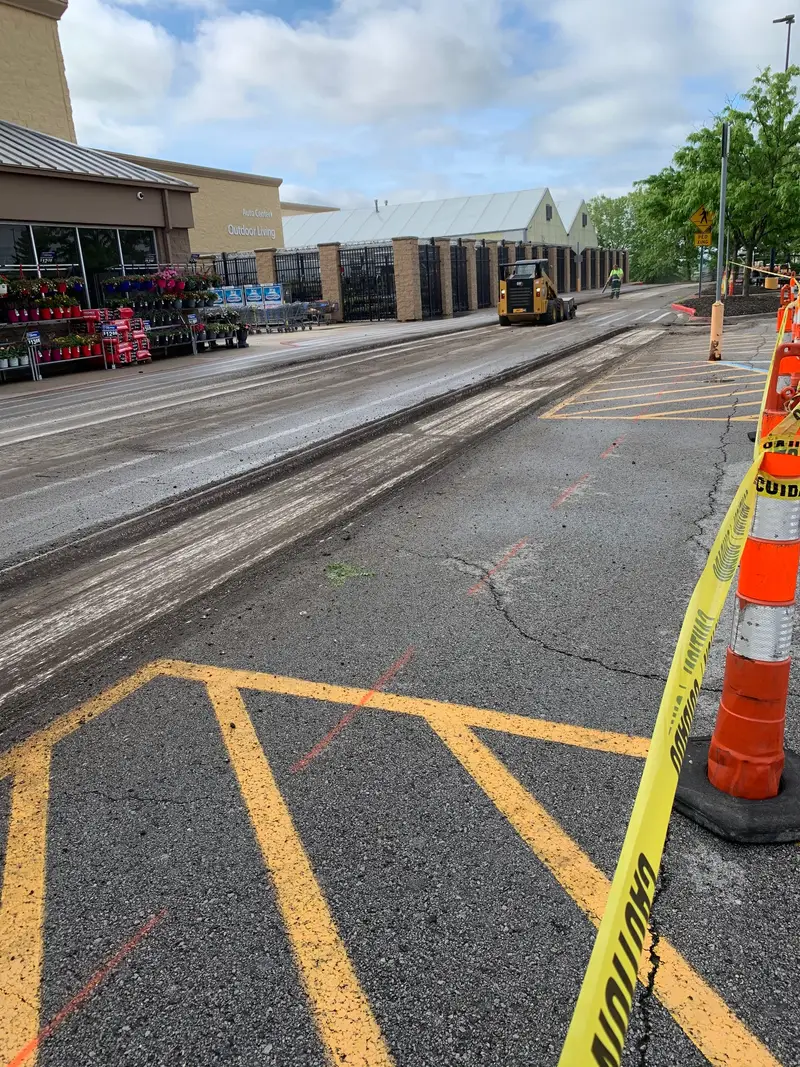
Linear footage drives primary pricing—we measure every crack requiring treatment. Crack width affects material consumption; hairline cracks under 1/4" use minimal sealant while 1" cracks require triple the material. Routing requirements increase costs but provide superior results. Crack density impacts efficiency—scattered cracks take longer than concentrated areas. Mobilization distance from our Kansas City base affects setup costs. Parking lot accessibility and operating hours influence pricing—night work or phased sealing around business operations requires premium scheduling. Surface preparation needs vary; heavily contaminated cracks need extensive cleaning. Material selection matters—standard rubberized sealant costs less than specialty polymers for high-movement areas. Minimum service calls apply for small projects. Volume discounts benefit properties sealing over 5,000 linear feet. Multi-property contracts receive preferred pricing through routing efficiency.
Get a Free Estimate — (913) 701-6044Crack Sealing — Frequently Asked Questions
Can we stay open during crack sealing work?
Yes, we phase work to maintain traffic flow and customer access. Our 30-person crew efficiently seals sections while keeping other areas operational. We use quick-setting hot-pour materials that cool to traffic-ready in 20-30 minutes. Safety cones and signs direct traffic around work zones. For retail and office properties, we often work early mornings or weekends to minimize disruption. Large projects benefit from our zone approach—completing one section fully before moving to the next. We coordinate with your team to understand peak traffic times and critical access points.
What happens if we skip crack sealing this year?
Unsealed cracks in Kansas City accelerate pavement deterioration rapidly. Water infiltration through a 1/4" crack introduces 5 gallons per hour during rain into your base layer. Our freeze-thaw cycles turn that moisture into an expanding force, widening cracks 25-50% annually. One season transforms hairline cracks into 1/2" gaps. Two seasons create spiderweb cracking requiring overlay instead of sealing. Three seasons lead to base failure and full-depth repairs. Initial crack sealing costs pennies per square foot while pothole repairs run dollars. Delaying transforms a $5,000 sealing project into $50,000 in reconstruction.
How long after sealcoating should we wait to crack seal?
Crack seal before sealcoating for optimal results. Sealcoat can't bridge cracks—it's a surface treatment, not structural repair. Applying sealcoat over unsealed cracks creates a cosmetic cover that fails within months as cracks reflect through. Proper sequence: crack seal first, allow 24-48 hours cure time, then sealcoat. This creates a waterproof membrane system. If you've recently sealcoated without crack sealing, monitor for crack reflection. Once visible, route through the sealcoat layer and seal properly. Our lance applicator equipment handles both virgin asphalt and previously sealed surfaces. Joe Brogoto personally inspects sequencing on multi-service projects.
Why do some crack sealing jobs fail within months?
Poor preparation and wrong materials cause early failure. Blow-and-go contractors skip routing, leaving v-shaped cracks that prevent proper sealant bonding. Cold-pour products lack flexibility for Kansas City's 100+ degree temperature swings. Applying sealant to wet or dirty cracks guarantees adhesion failure. Insufficient sealant depth—under 40 mils—cracks under traffic. Overheating sealant above 410°F destroys polymer properties. Sealing in cold weather below 40°F prevents bonding. Wrong application speed creates air pockets. We prevent failures through proper crack router preparation, moisture testing, correct temperature control, and ASTM-compliant materials applied by trained technicians.
Should we crack seal new asphalt preventively?
New asphalt typically shows first cracks at 2-3 years in Kansas City's climate. Preventive sealing at first crack appearance extends pavement life significantly. Don't wait for widespread cracking—early intervention costs 70% less than reactive repair. Fresh asphalt's tight surface prevents deep water penetration initially. Once oxidation opens the matrix around year two, moisture infiltration accelerates. We recommend baseline inspection at 18 months, identifying stress points like transitions and high-traffic areas. Early hairline cracks sealed immediately prevent expansion. Our tracking shows properties implementing preventive sealing from year two average 20-year lifespans versus 12-year replacement cycles for reactive-only approaches.
Trusted Across the KC Metro
Ready to move forward?
One crew installs it, maintains it, and keeps it compliant — no subcontractors. Call (913) 701-6044 or send the form.
KC Metro Cities Where We Provide Crack Sealing
Crack Sealing — One Call Handles It
One call handles it all — from the first estimate to the final walkthrough. Platinum Paving has completed 4,000+ projects across the KC metro. Every job comes with our 1-year warranty.